
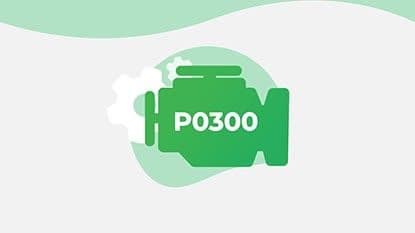
If your car suddenly starts shaking, jerking, or stumbling while you’re driving — especially at idle or when you step on the accelerator — you might be dealing with a cylinder misfire. This is one of the most common engine trouble codes mechanics see, and it’s usually flagged as P0300 on a diagnostic scanner.
What’s Actually Happening
Your engine runs on a simple principle: air and fuel mix together in each cylinder, get compressed, and then a spark ignites the mixture to produce power. When this combustion process fails to happen properly in one or more cylinders, that’s a misfire. The engine loses power from that cylinder, and you feel it as a shake, stumble, or rough idle.
P0300 specifically means a “random” or multiple misfire — the computer can’t pin it to one particular cylinder. If it’s isolated to a single cylinder, you’ll see codes like P0301, P0302, and so on, corresponding to each cylinder number.
Common Causes in Nigerian Driving Conditions
Bad or fake fuel : Nigeria’s fuel quality varies a lot depending on where you buy. Contaminated or watered-down fuel is one of the top causes of misfires here. If you just filled up at a new filling station and the engine started acting up shortly after, that’s your first suspect.
Worn spark plugs : Spark plugs wear out over time, especially with our stop-and-go Lagos traffic that keeps the engine running for long hours. Old plugs can’t generate a strong enough spark to ignite the fuel properly.
Faulty ignition coils : Many modern cars use individual coils per cylinder (coil-on-plug). When one fails, that cylinder stops firing correctly.
Vacuum leaks : Cracked hoses, especially common on older imported (“tokunbo”) vehicles, let unmetered air into the engine and throw off the air-fuel ratio.
Clogged fuel injectors : Dirty injectors from years of low-quality fuel can restrict the spray pattern needed for clean combustion.
Symptoms to Watch For
Rough or shaky idle, especially when stopped at a junction
Engine stumbling or hesitating on acceleration
Check engine light flashing (this is urgent — a flashing light means an active misfire that can damage your catalytic converter)
Reduced fuel economy
A noticeable loss of power, especially going uphill or overtaking
Why You Shouldn’t Ignore It
A flashing check engine light during a misfire is not something to manage — unburned fuel gets dumped into your exhaust system and can overheat and destroy your catalytic converter, which is a far more expensive repair than fixing the original misfire. If your light is flashing, reduce speed and get it checked as soon as possible.
What a Mechanic Will Check
At Favouritech Auto Concepts, when a car comes in with a misfire code, we typically start with:
A visual inspection of spark plugs and ignition coils
A compression test to rule out mechanical issues like worn piston rings or a leaking valve
Fuel injector testing
Checking for vacuum leaks around the intake manifold
Prevention Tips
- Buy fuel from filling stations you trust, especially for long trips
- Replace spark plugs according to your manufacturer’s schedule (typically every 30,000–60,000km depending on plug type)
- Don’t ignore a rough idle — catch it early before it snowballs into a bigger repair
- Use fuel injector cleaner periodically, especially if you notice reduced performance
A misfire might feel minor at first, but left unchecked, it can lead to expensive damage. If your car is shaking or the check engine light is flashing, don’t wait — book a diagnostic check with us today
Share this article
Related Articles
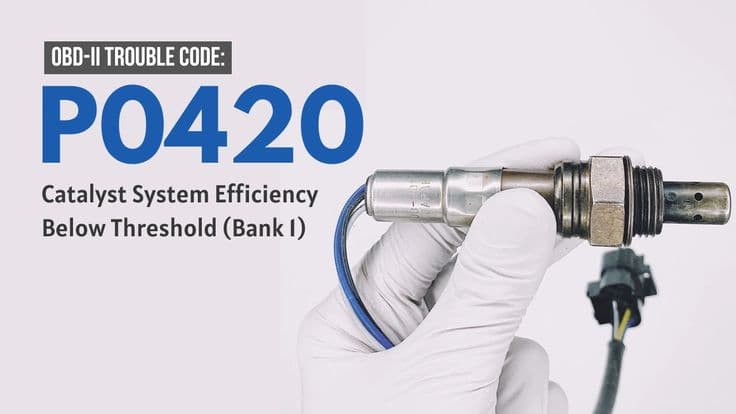
P0420: What a Catalytic Converter Code Really Means
P0420 code showing on your scanner? Here's what it really means, common causes in Nigerian-used cars, and how FAC diagnoses it properly.
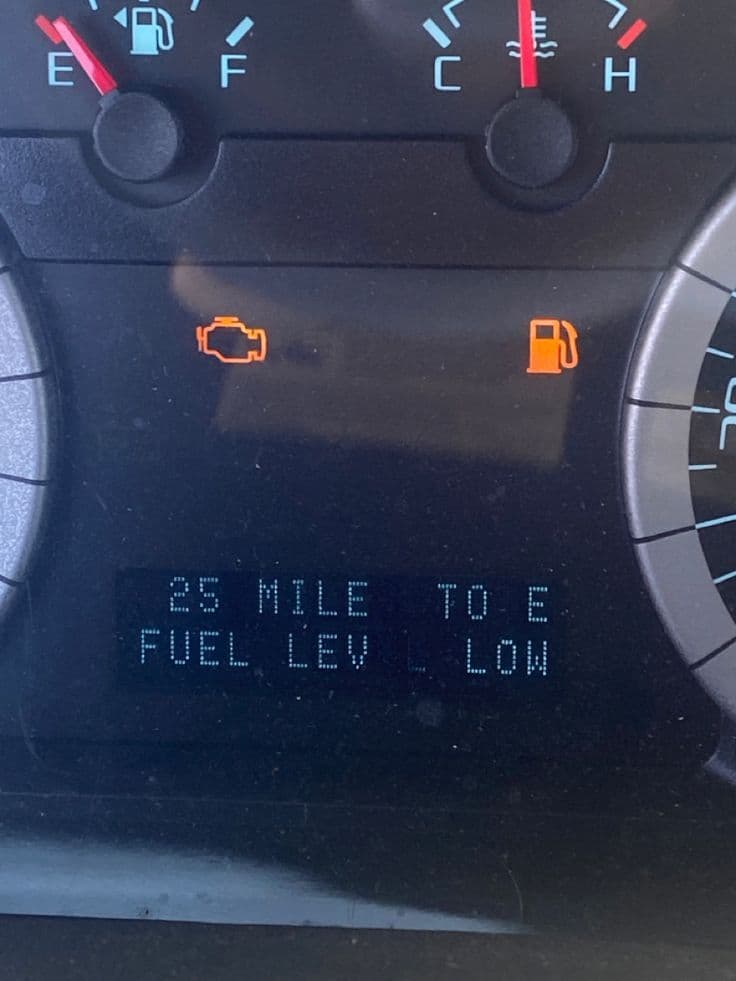
The Truth About Lean Fuel Codes
Check engine light showing P0171 or P0172? Here's what these lean fuel codes mean, what causes them, and how FAC fixes the real problem.
Why Your AC Isn't Cooling
Car AC blowing warm air in Lagos traffic? Here are the real reasons your AC isn't cooling and how FAC diagnoses and fixes it fast.