
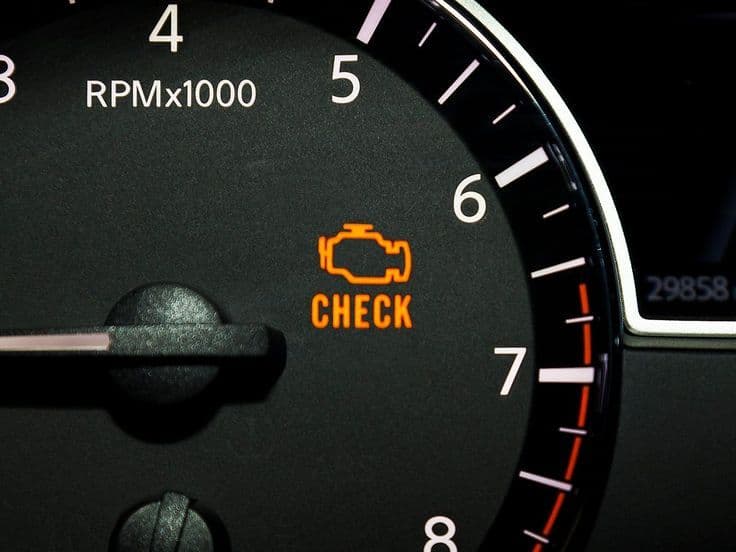
A lot of you keep asking us: my check engine light is on but the car drives fine, can I just ignore it? Here’s why you really shouldn’t.
Common Causes
The check engine light can mean a lot of things, ranging from minor to serious:
Loose or faulty fuel cap — surprisingly common, and the cheapest possible fix.
Worn spark plugs or ignition coils — causes misfires, rough idling, and poor fuel economy.
Faulty oxygen sensor — affects fuel efficiency and can damage your catalytic converter over time.
Catalytic converter issues — often develops from ignoring smaller problems for too long.
Mass airflow sensor faults — leads to stalling, hesitation, or poor acceleration.
The light itself doesn’t tell you which one it is — that’s exactly why guessing at home rarely fixes it.
Risks of Ignoring It
Here’s the part most people don’t realize: the longer you drive with it on, the more it can cost you later.
A minor sensor fault left unchecked can damage more expensive components downstream, like the catalytic converter.
Reduced fuel efficiency means you’re quietly losing money every time you fill up.
Some faults affect how your engine manages timing and fuel delivery, which can lead to long-term engine wear.
In more serious cases, ignoring it can leave you stranded with a car that suddenly won’t start or run at all.
How Professional Diagnostics Save You Money
A proper OBD diagnostic scan reads the exact fault code your car’s computer is reporting, so instead of replacing parts one at a time hoping something works, you fix the actual problem the first time.
We recently scanned a client’s Sienna showing a check engine light — turned out to be a single faulty ignition coil, not the multiple issues the previous mechanic assumed. One part, fixed same day, instead of a string of unnecessary replacements.
Don’t Wait for It to Get Worse
A blinking or on check engine light deserves a same-week diagnostic, not a “let's see how it goes” approach. WhatsApp us to book a full diagnostic scan:
Share this article
Related Articles
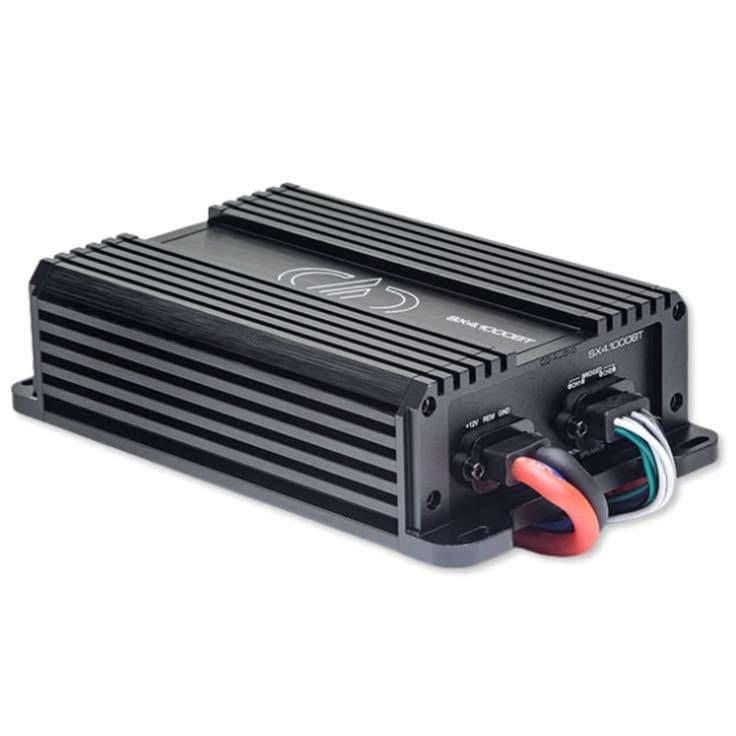
Why Your Car Amplifier Stops Working: Common Causes and How to Protect It
Learn why your car amplifier stops working, the most common causes—including water damage—plus expert tips to protect your amplifier and extend its lifespan.
10 Signs Your Car Needs an Auto Electrical Repair
Flickering lights, dead battery, or dashboard warnings? Here are 10 signs your car's electrical system needs attention, from FAC's diagnostic experience.
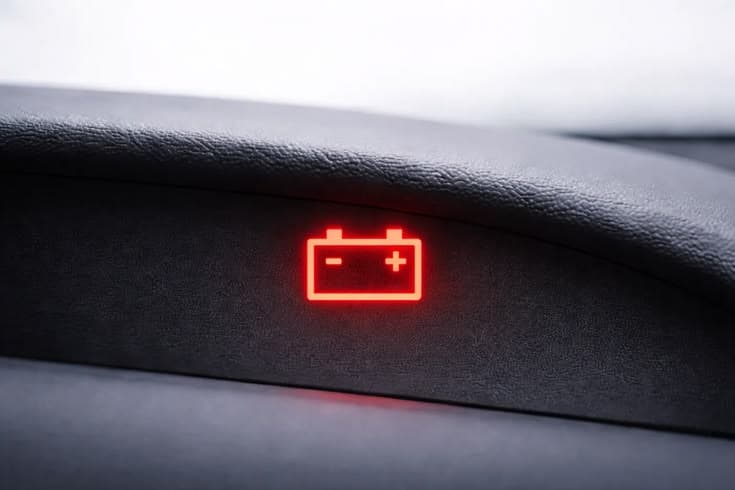
7 Reasons Your Car Battery Keeps Dying
Battery dying every few weeks? Here are the 7 real reasons your car battery won't hold charge, and how FAC's electrical diagnostics fix it for good.