
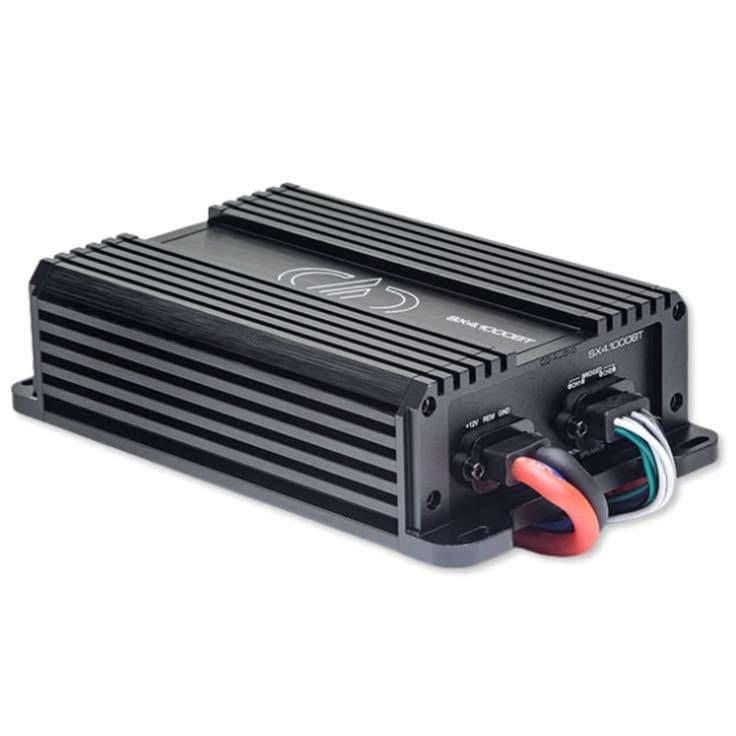
A car amplifier is the heart of any quality car audio system. It supplies the power needed for your speakers and subwoofers to produce clear, powerful, and distortion-free sound. However, if your amplifier suddenly stops working, it can be frustrating and expensive to repair.
The good news is that most amplifier failures can be prevented with proper installation, regular maintenance, and careful use. In this article, we’ll discuss the common reasons why a car amplifier stops working and the best ways to protect it.
1. Water Damage (The Most Common Cause)
One of the leading causes of amplifier failure is water damage, especially for amplifiers installed underneath the front seats.
Although this location saves space and keeps the amplifier hidden, it also makes it vulnerable to water. Moisture can enter the vehicle after driving through flooded roads, during heavy rainfall, from leaking door or windshield seals, blocked air-conditioning drain hoses, or even from excessive water used while cleaning the vehicle’s interior.
When water reaches the amplifier, it can cause short circuits, corrosion, rust, and damage to sensitive electronic components. Sometimes the amplifier stops working immediately, while in other cases, the damage develops gradually until it eventually fails.
How to Prevent Water Damage
- Avoid driving through flooded roads whenever possible.
- Repair leaking doors, windows, or windshield seals immediately.
- Ensure the air-conditioning drain is not blocked.
- Dry wet carpets as soon as possible.
- Avoid pouring excessive water inside the vehicle during cleaning.
- Consider installing the amplifier in a higher location if possible.
- If the amplifier gets wet, disconnect the battery and allow it to be professionally inspected before switching it on.
2. Blown Fuse
A blown fuse is one of the simplest reasons an amplifier may stop working. Fuses protect the amplifier from electrical surges and short circuits.
Always replace a blown fuse with another fuse that has the exact same rating.
3. Poor Grounding
An amplifier requires a solid ground connection to operate correctly. A loose or rusty ground point can cause poor performance, engine noise, or prevent the amplifier from powering on.
Always use a clean, bare metal surface for the ground connection.
4. Loose or Damaged Wiring
Loose power cables, ground wires, remote turn-on wires, or speaker cables can interrupt power or send the amplifier into protection mode.
Inspect your wiring regularly and replace damaged cables immediately.
5. Overheating
Amplifiers naturally produce heat during operation. If there is poor airflow or the amplifier is used at high volume for long periods, excessive heat can damage internal components.
Install the amplifier where there is adequate ventilation and avoid covering it with carpets or other materials.
6. Low Battery Voltage or Charging Problems
A weak battery or faulty alternator may not provide enough power for the amplifier.
If your headlights dim when music is playing or the amplifier frequently shuts off, have your battery and charging system checked.
7. Incorrect Speaker Load
Using speakers or subwoofers with an impedance lower than what the amplifier is designed to handle can overload it.
Always follow the manufacturer’s recommended speaker impedance.
8. Incorrect Installation
Poor installation remains one of the biggest reasons amplifiers fail.
Using undersized cables, poor-quality connectors, incorrect fuse sizes, or improper wiring can shorten the amplifier’s lifespan.
Professional installation is always recommended for the best results.
Things to Avoid
To keep your amplifier working for years, avoid the following:
- Driving through flooded roads when your amplifier is mounted under the seat.
- Ignoring water leaks inside your vehicle.
- Playing music at maximum volume for extended periods.
- Using poor-quality wiring kits.
- Connecting speakers with the wrong impedance.
- Covering the amplifier or blocking airflow.
- Ignoring unusual smells, distortion, or repeated protection mode.
- Washing the vehicle interior with excessive water.
- Leaving wet carpets unattended after rain or flooding.
Maintenance Tips
Proper maintenance can greatly extend the life of your amplifier.
- Inspect all wiring regularly.
- Keep the amplifier clean and free from dust.
- Ensure there is enough airflow around the amplifier.
- Check your battery and alternator periodically.
- Repair water leaks immediately.
- Replace worn or damaged cables.
- Have your audio system inspected if you notice any unusual behavior.
Signs Your Amplifier Needs Attention
Watch out for these warning signs:
- The amplifier won’t power on.
- It frequently enters protection mode.
- Distorted or weak sound output.
- Intermittent sound from speakers.
- Burning smell.
- Excessive heat.
- Visible rust or corrosion around the amplifier.
- Water or damp carpet beneath the seats.
Addressing these issues early can prevent more serious and costly damage.
Conclusion
Your car amplifier is a valuable part of your vehicle’s entertainment system, but it needs proper care to perform reliably. While problems such as blown fuses, overheating, poor wiring, and low battery voltage are common, water damage remains one of the biggest causes of amplifier failure, especially for amplifiers installed beneath the seats.
By avoiding floodwater, repairing leaks promptly, using quality installation materials, and carrying out regular maintenance, you can significantly extend the life of your amplifier and continue enjoying powerful, high-quality sound for years to come.
If your amplifier has already stopped working, it’s best to have it diagnosed by a qualified car audio technician before replacing it, as many faults can be repaired if detected early.
Share this article
Related Articles
Why Your Check Engine Light Should Never Be Ignored
Check engine light on but the car still drives fine? Here's why you shouldn't ignore it, common causes, and how early diagnostics save you money.
10 Signs Your Car Needs an Auto Electrical Repair
Flickering lights, dead battery, or dashboard warnings? Here are 10 signs your car's electrical system needs attention, from FAC's diagnostic experience.
7 Reasons Your Car Battery Keeps Dying
Battery dying every few weeks? Here are the 7 real reasons your car battery won't hold charge, and how FAC's electrical diagnostics fix it for good.